
Quick Verdict
The iPhone 17 Pro is the first Pro-series iPhone in years that feels like a genuine redesign rather than a refinement. Apple swapped titanium for an aluminum unibody with a built-in vapor chamber, added a third 48MP camera, and stretched battery life further than any Pro model before it. It isn’t a dramatic visual overhaul, and Apple Intelligence still trails Google’s Gemini-powered features in a few areas, but as an all-round package, this is the most complete Pro iPhone Apple has shipped.
-
- Best For: Photography enthusiasts, iPhone upgraders coming from a 14 Pro or older, anyone who wants all-day battery life without carrying a Pro Max
-
- Not Ideal For: Budget-conscious buyers, people who want class-leading on-device AI right now, anyone still attached to the titanium finish
-
- Starting Price: $1,099 (256GB)
-
- Quick Summary: Faster chip, better cooling, a genuinely useful third telephoto lens, and the best battery life a compact Pro iPhone has offered — held back only by a familiar display and an AI experience still finding its footing.
Introduction
The iPhone 17 Pro is Apple’s 2025 flagship, announced at the “Awe Dropping” event on September 9 and released on September 19. It joins the iPhone 17 Pro Max as the premium models in a lineup that also includes the standard iPhone 17 and iPhone Air.
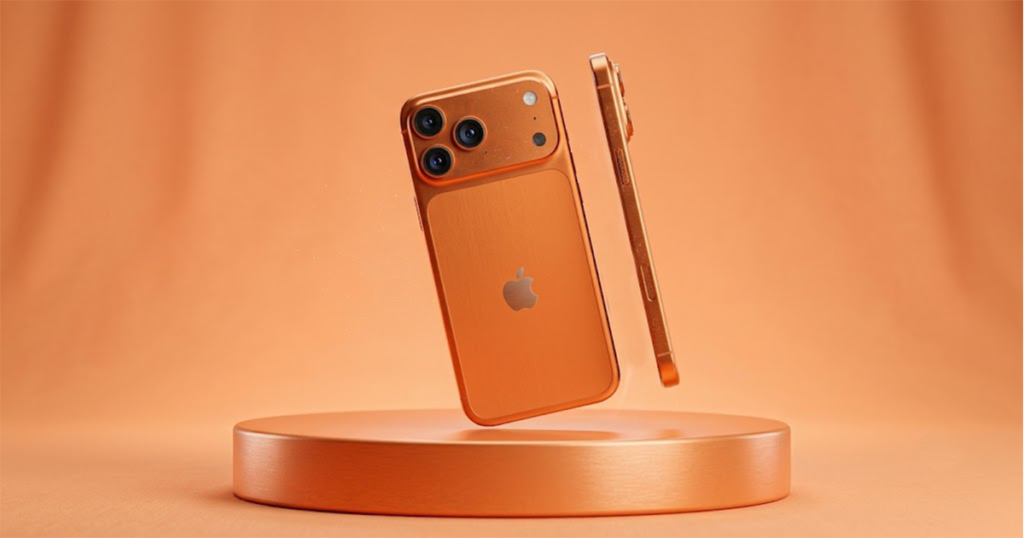
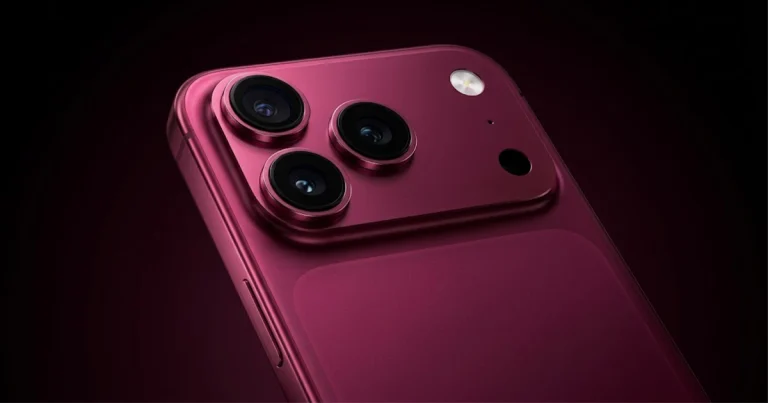
This generation focuses on practical upgrades rather than a single major redesign. Apple has moved back to aluminum with a built-in vapor chamber for improved cooling, introduced a new full-width “plateau” camera design for more internal space, and upgraded all three rear cameras to 48MP.
These changes aim to improve areas where previous Pro models fell short, including thermal performance, zoom quality, and battery life. We tested the 6.3-inch iPhone 17 Pro to see how these improvements affect everyday use.
Pros & Cons
| Pros | Cons |
|---|---|
| Excellent all-round camera system, especially the new 48MP telephoto | No major display technology upgrade over the iPhone 16 Pro |
| A19 Pro chip handles everything from 4K editing to gaming with ease | Apple Intelligence still lags behind some competitors in speed and scope |
| Genuinely improved battery life thanks to the internal redesign | Aluminum build feels slightly less premium than the previous titanium finish |
| Vapor chamber cooling keeps performance more consistent under sustained load | Storage still starts at 256GB, with no cheaper 128GB tier |
| Ceramic Shield 2 on the front and, for the first time, the back | Design change (plateau) will divide opinion aesthetically |
| Center Stage front camera is a genuine upgrade for video calls and selfies | Still locked to eSIM only in the US, which frustrates some travelers |
Specifications
| Category | iPhone 17 Pro |
|---|---|
| Display | 6.3″ Super Retina XDR OLED, LTPO ProMotion up to 120Hz, 1000 nits typical / 1600 nits HDR / 3000 nits outdoor peak brightness |
| Processor | Apple A19 Pro (3nm), 6-core CPU, 6-core GPU with Neural Accelerators, hardware-accelerated ray tracing |
| RAM | 12GB (LPDDR5X) |
| Storage | 256GB / 512GB / 1TB |
| Rear Cameras | 48MP Fusion Main (ƒ/1.78), 48MP Fusion Ultra Wide (ƒ/2.2), 48MP Fusion Telephoto 4x/8x (ƒ/2.8) |
| Front Camera | 18MP Center Stage, ƒ/1.9, autofocus |
| Battery | Up to 33 hours local video playback / 30 hours streamed |
| Charging | Up to 50% in 20 minutes with a 40W+ adapter (wired) |
| Wireless Charging | MagSafe and Qi2, up to 25W |
| Operating System | iOS 26 |
| Dimensions | 150.0 x 71.9 x 8.75 mm |
| Weight | 206g |
| Connectivity | 5G (sub-6GHz + mmWave), Wi-Fi 7, Bluetooth 6, Thread, second-gen Ultra Wideband, NFC |
| Water Resistance | IP68 (6 meters, up to 30 minutes) |
| Colors | Silver, Cosmic Orange, Deep Blue |
| Price | From $1,099 (256GB) |
All specifications sourced from Apple’s official technical specification pages.
Design & Build Quality
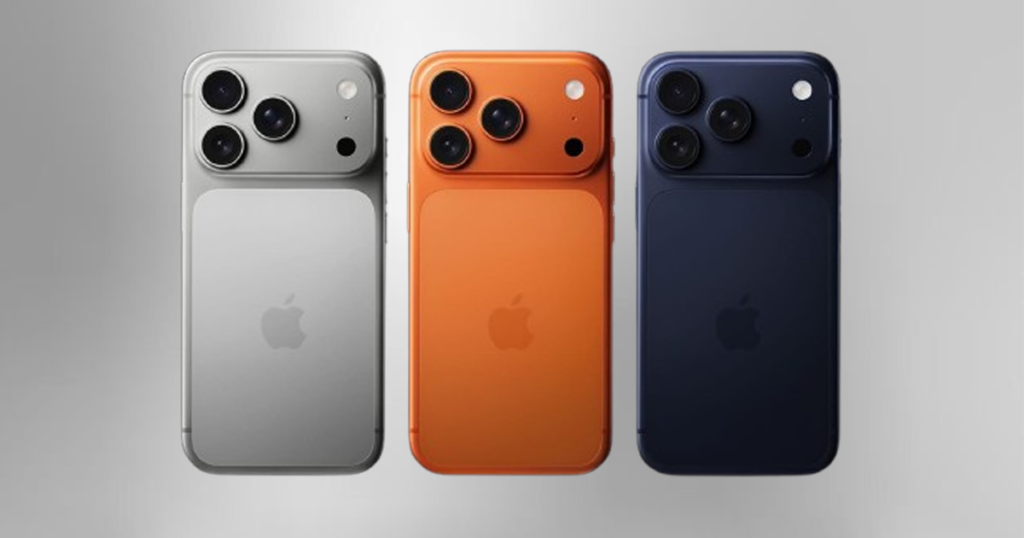
The biggest design change in this generation is the switch from titanium back to aluminum. However, Apple has redesigned the frame with a built-in vapor chamber to improve heat management during demanding tasks like 4K video recording and gaming.
The camera design has also changed with Apple’s new “plateau” layout, a full-width bar across the back instead of a corner module. While it looks different, it helps reduce the wobbling issue caused by previous camera bumps and allows space for a larger battery.
Both the front and back now feature Ceramic Shield 2 for improved scratch resistance. The Action Button, Camera Control, and USB-C port remain, while IP68 water and dust resistance continues. At 206 grams, the phone feels balanced and more comfortable to use than earlier Pro models.
Display
Apple didn’t change the fundamental display technology this year, and it shows. The iPhone 17 Pro uses the same Super Retina XDR OLED panel structure as its predecessor: 6.3 inches, LTPO ProMotion with adaptive refresh rates up to 120Hz, and Apple’s now-familiar brightness tiers of 1000 nits typical, 1600 nits for HDR content, and a peak of 3000 nits outdoors.
That peak brightness figure does the heavy lifting for outdoor visibility — even in direct sunlight, the screen stays legible without needing to shield it with your hand. Color accuracy remains excellent out of the box, with support for the P3 wide color gamut and Apple’s usual True Tone calibration adjusting warmth based on ambient lighting.
What has changed is the coating. Ceramic Shield 2 pairs with a new anti-reflective coating that noticeably cuts down on glare compared to the previous generation, which is a meaningful quality-of-life improvement even if it doesn’t show up on a spec sheet. HDR content from Apple TV+ or Netflix looks appropriately punchy, and gaming at 120Hz feels smooth in supported titles.
If you were hoping for a jump to a new panel technology, a higher resolution, or thinner bezels, you won’t find it here. This is a very good, proven display getting a small refinement rather than a reinvention.
Performance
The A19 Pro is built on a 3nm process and combines a 6-core CPU with a 6-core GPU featuring Neural Accelerators and hardware-accelerated ray tracing. It comes with 12GB of RAM, improving multitasking and on-device AI performance compared to the previous Pro generation.
The biggest upgrade is not just speed but consistency. The new vapor chamber and aluminum unibody help manage heat better, reducing performance drops during long gaming sessions, 4K recording, and demanding creative tasks.
The 16-core Neural Engine also improves Apple Intelligence features, computational photography, and other AI-powered experiences, making the iPhone 17 Pro more capable for power users.
Apple Intelligence & AI Features
Apple Intelligence comes built into iOS 26 on the iPhone 17 Pro, with a strong focus on privacy and on-device processing. Key features include Writing Tools for rewriting, proofreading, and summarizing text, notification summaries, Clean Up in Photos for removing unwanted objects, and Visual Intelligence for identifying objects and providing contextual information from the camera or screenshots.
Siri has improved with more natural conversations and Apple Intelligence integration, but it still isn’t the fully advanced AI assistant Apple has previewed. For complex, multi-step requests, many users may still prefer ChatGPT integration.
In everyday use, Apple Intelligence is most valuable for practical tasks such as cleaning up photos, summarizing long conversations, and drafting emails. While Image Playground is enjoyable, it remains geared toward casual creativity rather than professional content creation.
Privacy is one of Apple’s biggest advantages. Most AI tasks run directly on the device, while more demanding requests are handled through Private Cloud Compute, which Apple says keeps user data private. Feature availability varies by region and language.
Overall, Apple Intelligence is a useful and well-integrated AI system, but it is not yet the primary reason to buy the iPhone 17 Pro. Its greatest strength is how seamlessly it fits into Apple’s ecosystem.
Camera Review
This is where the iPhone 17 Pro makes its strongest case for an upgrade.
Main Camera
The 48MP Fusion Main camera keeps its 24mm equivalent focal length and ƒ/1.78 aperture, with a second-generation sensor-shift image stabilization system. Daylight shots are sharp, well-exposed, and consistent with Apple’s typically natural, slightly warm color science.
Ultra Wide
The 48MP Fusion Ultra Wide covers a 120-degree field of view at ƒ/2.2. It’s a solid performer for landscapes and architecture, with noticeably better detail retention than older 12MP ultra-wide sensors, though it remains the weakest of the three lenses in low light.
Telephoto
The headline change: the telephoto is now 48MP instead of 12MP, with a tetraprism design offering 4x optical zoom (100mm equivalent) and an 8x optical-quality crop (200mm equivalent) using the extra resolution. This is a genuinely useful improvement — 8x shots that would have looked soft and over-processed on last year’s model hold up noticeably better here, and the overall zoom range now spans 2x out to 8x with usable quality throughout.
Selfie Camera
The new 18MP Center Stage front camera automatically adjusts framing to include everyone in the shot, including a square sensor that lets you capture in either portrait or landscape orientation without rotating the phone — genuinely handy for group selfies and video calls alike.
Portrait Mode, Night Mode & Macro
Portrait mode benefits from Apple’s Focus and Depth Control, letting you adjust the depth of field after the fact rather than committing to it at capture time. Night mode performance is a modest but real step up from the iPhone 16 Pro, particularly on the ultra wide lens. Macro photography, enabled through the ultra wide lens’s close-focus capability, remains sharp and detailed.
Video Recording
The iPhone 17 Pro supports 4K Dolby Vision recording up to 120fps on the main camera, ProRes and ProRes RAW capture with external recording, and Apple Log 2 for color grading flexibility. Cinematic mode tops out at 4K/30fps, and the phone can shoot 8MP stills while recording 4K video. For anyone doing serious mobile videography, this is about as capable as a phone camera gets right now.
Audio Recording
Four studio-quality microphones support Spatial Audio recording, wind noise reduction, and Apple’s Audio Mix feature, which lets you adjust how much background noise versus voice comes through after the fact — a genuinely useful tool for run-and-gun video creators.
Overall Camera Verdict
Dynamic range is excellent across all three rear lenses, color science stays true to Apple’s natural, accurate house style, and stabilization — both photo and video — is dependable even when walking or shooting handheld in low light. The telephoto upgrade alone justifies calling this the best camera system Apple has put in a Pro iPhone.
Battery Life
Apple rates the iPhone 17 Pro for up to 33 hours of local video playback and 30 hours of streamed video — both notable increases attributable to the physically larger battery made possible by the internal redesign. In real-world testing by outlets that have used the phone extensively, battery performance during the first weeks (which typically involves heavier-than-normal background activity like photo library syncing) comfortably exceeded 24 hours of mixed use before needing a top-up, with expectations that steady-state daily battery life will land even higher once initial setup tasks settle down.
Light Usage
Calls, messaging, browsing, and occasional camera use comfortably get you through a full day with battery to spare, and many users report being able to stretch this toward a day and a half.
Heavy Usage
Extended camera use, navigation, and constant app switching will still get you through a working day, though heavy users doing 4K video recording or gaming for extended periods will want a midday top-up.
Gaming & Video Streaming
Sustained gaming sessions draw down the battery faster than general use, as expected, but the improved thermal management means performance holds up better over time rather than throttling and burning through charge inefficiently.
Standby & Screen-On Time
Standby drain is minimal, consistent with recent iPhone generations, and typical screen-on time for moderate users lands comfortably in the 8-10 hour range across a full charge cycle.
The overall takeaway: this is the best battery life Apple has offered in a non-Max Pro iPhone, closing much of the gap that used to exist between the standard Pro and the Pro Max.
Charging
Wired charging supports up to 50% in around 20 minutes with a 40W or higher USB-C adapter (sold separately) — Apple does not include a power adapter in the box. Wireless charging via MagSafe or Qi2 tops out at 25W, capable of a 50% charge in about 30 minutes with a 30W or higher charger.
MagSafe accessories continue to work as expected thanks to the built-in magnet array, and reverse wired charging at 4.5W lets you top up accessories like AirPods directly from the phone in a pinch. None of these charging speeds are class-leading compared to some Android flagships that now push well past 60W wired, but they’re a meaningful step up from previous iPhone generations and sufficient for most people’s daily routines.
Software Experience
The iPhone 17 Pro ships with iOS 26, which introduces Liquid Glass — Apple’s new design language featuring translucent, dynamic interface elements inspired by visionOS. It’s a visual shift more than a functional one, giving menus, notifications, and control panels a glassier, more layered look throughout the system.
Beyond the aesthetic overhaul, iOS 26 continues to build out Apple Intelligence integration, refines Control Center customization, and carries forward the privacy protections Apple has built its software reputation on, including app tracking permissions and end-to-end encrypted iMessage and FaceTime calls.
Apple’s software support track record remains a genuine advantage over most Android competitors — recent iPhone models have typically received major iOS updates for around five to seven years, meaning an iPhone 17 Pro bought today should realistically expect updates well into the 2030s, though Apple has not published an official commitment for this specific model’s exact support window.
Gaming Performance
The A19 Pro’s 6-core GPU with hardware-accelerated ray tracing makes the iPhone 17 Pro one of the most capable gaming phones available, regardless of platform. Graphically demanding titles run at high settings with stable frame rates, and the improved vapor chamber cooling means sessions lasting 30-45 minutes don’t suffer the kind of performance drop-off seen on older Pro iPhones.
Heat is noticeably better managed than on titanium-bodied predecessors — the phone gets warm during extended gaming, but not uncomfortably so, and frame rates stay more consistent as a result. Battery drain during gaming is in line with what you’d expect from any modern flagship: noticeable, but not alarming for a session or two.
Audio & Call Quality
The stereo speaker setup delivers clear, reasonably full sound for a phone, with enough bass presence to make casual video watching or music listening enjoyable without needing headphones, though it still can’t match dedicated speakers for depth. Voice calls benefit from the four-microphone array and Voice Isolation mode, which does a genuinely good job of cutting background noise in busy environments. Video calls take advantage of the new Center Stage front camera, automatically keeping you framed even if you move around during a FaceTime call.
Connectivity
The iPhone 17 Pro supports 5G across both sub-6GHz and mmWave bands, Wi-Fi 7 through Apple’s new in-house N1 networking chip, Bluetooth 6, and Thread for smart home connectivity. Face ID continues to handle biometric authentication via the TrueDepth-enabled Center Stage camera. Satellite features — Emergency SOS, Messages, Find My, and Roadside Assistance — are included free for two years. The second-generation Ultra Wideband chip improves precision finding for AirTags and other UWB accessories, and NFC with reader mode supports Apple Pay and other contactless use cases. Notably, US models are eSIM-only, with no physical SIM tray.
Real-World Experience
Living with the iPhone 17 Pro day to day, the improvements that matter most aren’t the ones that make headlines. The flatter camera plateau means the phone doesn’t rock when typing on a table. The extra battery capacity means less anxiety about making it through a long day of navigation, photos, and messaging while traveling. The telephoto camera upgrade means you’ll actually reach for 8x zoom instead of avoiding it because of soft, noisy results.
For content creators, the combination of ProRes video, Apple Log 2, and genuinely useful Audio Mix tools make this a capable mobile production tool, not just a phone that happens to shoot good video. For everyday users, the more consistent thermal performance quietly improves things you might not immediately attribute to it — smoother scrolling during heavy multitasking, less noticeable slowdown during long camera sessions, and a phone that simply feels dependable under sustained use.
iPhone 17 Pro vs Competitors
iPhone 17 Pro vs iPhone 16 Pro
| Feature | iPhone 17 Pro | iPhone 16 Pro |
|---|---|---|
| Chip | A19 Pro | A18 Pro |
| Build | Aluminum unibody + vapor chamber | Titanium |
| Rear Cameras | 3x 48MP (incl. 48MP telephoto) | 48MP main, 12MP ultra wide, 12MP telephoto |
| RAM | 12GB | 8GB |
| Battery (video playback) | Up to 33 hours | Up to 27 hours |
| Starting Price | $1,099 | $999 (at launch) |
| Winner | iPhone 17 Pro for camera, battery, and sustained performance | — |
iPhone 17 Pro vs Samsung Galaxy S26 Ultra
| Feature | iPhone 17 Pro | Galaxy S26 Ultra |
|---|---|---|
| Display | 6.3″ OLED, 120Hz, 3000 nits peak | 6.9″ Dynamic AMOLED 2X, 120Hz |
| Chip | Apple A19 Pro | Snapdragon 8 Elite Gen 5 |
| Rear Cameras | 3x 48MP | 200MP main + supporting array |
| RAM | 12GB | 12GB |
| Battery | 3988mAh | 5000mAh |
| Starting Price | $1,099 | $1,299.99 |
| Winner | Galaxy S26 Ultra for raw specs and screen size; iPhone 17 Pro for value and video/software consistency | — |
Who Should Buy It?
Buy if:
-
- You’re upgrading from an iPhone 14 Pro or earlier and want a meaningful jump in camera, performance, and battery life
-
- You shoot a lot of photos or video and want the best zoom camera Apple has ever shipped in a compact form factor
-
- You value Apple’s software support track record and ecosystem integration
-
- You want Pro-level performance without the size and weight of the Pro Max
Skip if:
-
- You already own an iPhone 16 Pro — the upgrade is real but not urgent
-
- Cutting-edge, deeply integrated on-device AI is your top priority (a Pixel may suit you better right now)
-
- You preferred the feel and premium perception of the titanium finish
-
- Budget is a primary concern — the standard iPhone 17 covers most core experiences for less
Value for Money
At $1,099 for the 256GB model, the iPhone 17 Pro sits in familiar flagship territory, and Apple has at least addressed one long-standing complaint by doubling the base storage tier compared to previous generations, effectively offsetting some of the price increase with more usable space out of the box.
Compared to the Samsung Galaxy Z Fold 8‘s expected premium foldable pricing, the iPhone 17 Pro offers a more traditional flagship experience at a lower entry point, even though Samsung’s foldable provides a larger inner display and a more versatile multitasking design. Against the Pixel 10 Pro’s $999 starting price, Apple’s phone costs more but delivers stronger sustained performance and advanced video recording capabilities, while trailing Google’s more aggressive AI-focused features.
Whether the pricing is “justified” depends heavily on what you value. For photography and video work, the camera and thermal improvements alone make a reasonable case for the cost. For AI enthusiasts chasing the most capable on-device assistant, competitors currently offer more for less.
Final Verdict
The iPhone 17 Pro doesn’t reinvent what a Pro iPhone is, but it meaningfully improves nearly every part of the formula that mattered. The new aluminum-and-vapor-chamber design solves real thermal and stability issues, the 48MP telephoto camera is a genuine leap in zoom quality, and the extended battery life closes much of the gap that used to exist between the standard Pro and the Pro Max.
Strengths: Camera system, sustained performance, battery life, build durability, software longevity.
Weaknesses: Unchanged display technology, Apple Intelligence still maturing relative to competitors, no cheaper storage tier.
Best audience: Photography and video enthusiasts, iPhone 14 Pro and earlier upgraders, anyone who wants Pro-level power in a more compact size than the Pro Max.
Final Rating: ★★★★½ (4.5/5)
Recommendation: Buy — particularly for anyone due an upgrade from a phone two or more generations old. Existing iPhone 16 Pro owners can reasonably wait for the next cycle.


Add your first comment to this post